Oman's Pivotal Role: A Skyrocketing Hub for Middle East Evacuations and Repatriation
In an increasingly interconnected yet often volatile world, the ability to move people safely and efficiently across borders becomes paramount. Over recent years, and particularly during periods of regional instability or global health crises, Oman has emerged as a critical and often understated nexus for international travel, especially for humanitarian and urgent evacuations. The Sultanate's strategic location, political stability, and modern infrastructure have positioned it as an indispensable gateway, facilitating countless oman repatriation flight operations and becoming a preferred staging point for those seeking a swift exit from turbulent areas. This significance has been underscored by a remarkable surge in private flight activity, signaling Oman's dual role as both a government-backed humanitarian corridor and a discreet, high-end private aviation hub.
Oman's Strategic Significance: A Lifeline in Turbulent Times
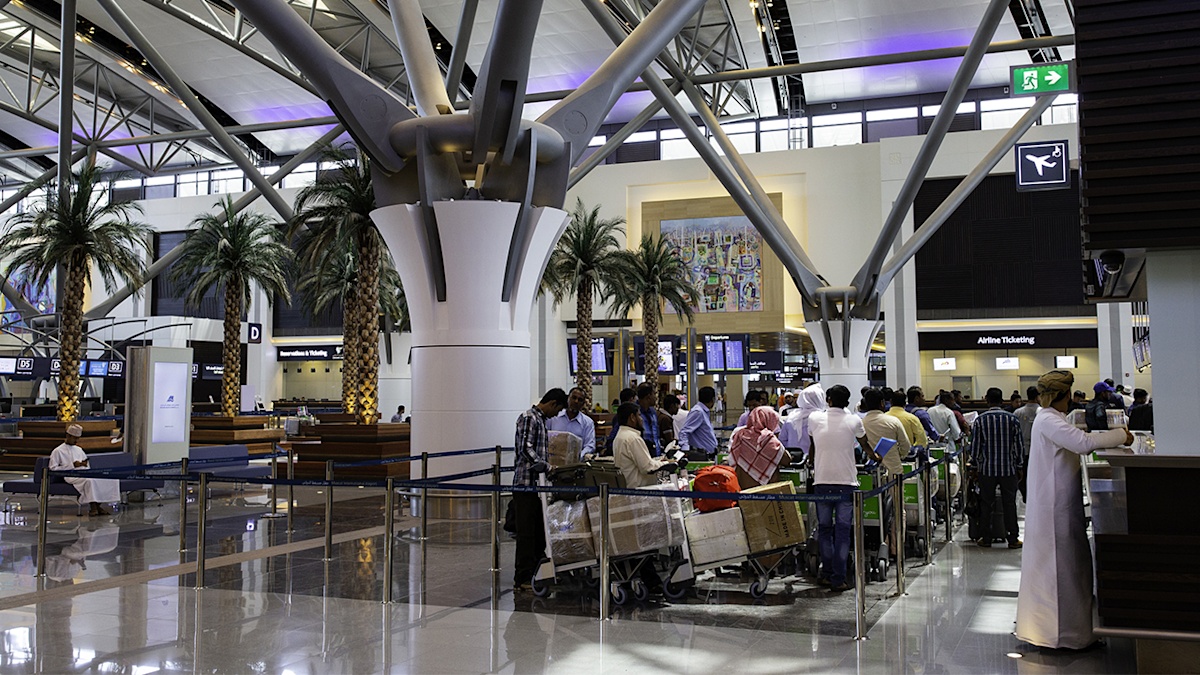
Oman's geographical advantage at the southeastern tip of the Arabian Peninsula, coupled with its long-standing reputation for neutrality and peace, makes it an ideal transit point. When neighbouring regions face security challenges or when travel restrictions tighten globally, Muscat International Airport (MCT) often becomes a beacon of accessibility. This isn't merely coincidental; it's a testament to Oman's foreign policy and its commitment to maintaining open channels and robust infrastructure. The airport has consistently proven its capability to handle increased traffic, complex logistics, and stringent health and safety protocols, even under immense pressure. It acts as a vital bridge between East and West, offering a reliable and secure environment for various international operations, from commercial resumptions to urgent evacuations.
This strategic importance was vividly demonstrated during the global travel disruptions caused by the COVID-19 pandemic. While many nations shut their borders, Oman played a crucial role in orchestrating oman repatriation flight efforts, working closely with various governments to bring their citizens home. This willingness to facilitate cross-border movement, even amidst severe restrictions, cemented Oman's status as a dependable international partner. Its capacity to adapt quickly to evolving global challenges, implementing necessary health safeguards without completely halting operations, highlights its resilience and operational excellence.
The Resurgence of Repatriation: Government Initiatives and the Oman-India Gateway
One of the most significant examples of Oman's repatriation efforts involved the resumption of international flights from India after a two-year hiatus. An Oman Air flight from Muscat to Kozhikode, Kerala, carrying 250 Indian nationals, marked a pivotal moment. This wasn't just another flight; it was a carefully orchestrated pilot project, designed to test logistical challenges and robust health safeguards required for full-scale international air travel operations. Passengers, many of whom were Indian nationals stranded abroad, expressed immense relief and gratitude, underscoring the humanitarian aspect of such initiatives.
The success of this initial oman repatriation flight from Muscat demonstrated the viability of reopening air corridors safely. Strict health protocols, including mandatory COVID-19 testing and quarantine, were meticulously implemented, ensuring public safety while gradually easing travel restrictions. The Indian government hailed it as a success, promptly announcing plans for more such flights to bring back citizens from various other countries. This move was universally welcomed by expatriate communities, who had long advocated for the resumption of international travel. The experience gained from this operation, particularly by local authorities in Kerala in processing passengers through immigration and health checkpoints, proved invaluable for future expanded operations. For a deeper dive into this landmark event, read more about Oman-India Flight Paves Way for Global Repatriation Efforts.
The Ascent of Private Aviation: A New Escape Route
Beyond government-led humanitarian missions, Oman has witnessed an unprecedented surge in private flight activity, transforming it into a vital evacuation hub for those with the means. Real-time flight tracking platforms like FlightRadar24 reported that private flights constituted nearly a third (30-31%) of all departures from Muscat International Airport during recent periods of regional turmoil. This statistic is staggering, highlighting a distinct shift in how high-net-worth individuals, senior executives, and discerning travelers are navigating the complexities of Middle Eastern travel.
The clientele utilizing these private charters is diverse, ranging from senior executives at global finance firms, individuals on business or vacation, to prominent figures like LIV golfer Jon Rahm, who reportedly arranged a charter flight through VistaJet for seven stranded golfers and a caddie. The allure of private aviation lies in its unparalleled speed, flexibility, discretion, and the ability to bypass the often-complex and lengthy procedures associated with commercial travel during crises. For many, it offers a secure and efficient alternative when commercial options are scarce, unreliable, or simply not preferred.
Logistically, reaching Oman for these private flights often involves intricate planning. Private security companies have been instrumental in booking these charters and arranging ground transport. For those evacuating from neighboring countries like the UAE, it can entail long border crossings – sometimes taking 3-4 hours or more – via routes like the Hatta crossing, followed by SUV convoys to reach Muscat. Companies like Air Charter Service, a global broker for private jets, have confirmed arranging numerous evacuation flights, primarily out of Oman, for passengers seeking to flee regions like Dubai. The costs for such journeys are substantial, with light jet trips from Muscat being significant, and heavy jet charters capable of accommodating more passengers and longer distances reportedly costing up to $140,000. Oman's role as a dual hub for both government and private repatriation efforts is further explored in Oman: A Hub for Both Government & Private Repatriation.
Navigating the Logistics: Tips for Travelers and Operators
For individuals or organizations planning oman repatriation flight or evacuation from the Middle East via Oman, meticulous planning is paramount. Here are some practical tips:
- Understand Entry & Exit Requirements: Before attempting to travel to Oman, ensure all visa requirements are met. During crises, specific exemptions or fast-track processes might be in place, but verification is crucial.
- Health Protocols: Stay updated on Oman's latest health protocols, especially regarding vaccinations, testing, and quarantine. These can change rapidly.
- Border Crossing Contingencies: If traveling overland to Oman (e.g., from the UAE), factor in potential significant delays at border checkpoints. Pre-arrange transport and have all necessary documentation for both countries. Private security firms often have up-to-date intelligence on border conditions.
- Engage Reputable Brokers: For private charters, work with established private jet brokers (e.g., Air Charter Service, VistaJet) who have experience in the region and can manage complex logistics, including ground handling and permits.
- Budget Accordingly: Private flights are a premium service. Understand the full cost, including potential last-minute surcharges, ground transportation, and any necessary permits. Light jets offer speed, while heavy jets provide more space and range but come at a higher price.
- Coordinate with Embassies/Consulates: For government-assisted repatriation, register with your country's embassy or consulate. They are the primary point of contact for organized flights and assistance.
- Local Support: Having local contacts or a ground handling agency in Oman can be invaluable for smooth processing at the airport, especially for private operations.
Conclusion
Oman's strategic positioning and commitment to facilitating international movement have solidified its status as an indispensable hub for both government-led repatriation efforts and high-stakes private evacuations from the Middle East. The successful pilot oman repatriation flight to India demonstrated its capabilities for large-scale humanitarian operations, while the soaring numbers of private jet departures underscore its role as a discreet and efficient escape route for those prioritizing speed and security. As regional dynamics continue to evolve, Oman's multifaceted role in safeguarding and transporting individuals will undoubtedly remain crucial, further cementing its reputation as a reliable and vital gateway in an often-unpredictable world.